
Best Cut of Beef for Jerky | The Complete Guide | JerkyUp.com
The Best Cut of Beef for beef Jerky
If you have ever searched for the best cut of beef for making jerky you have probably gotten a dozen different answers. Top round. Eye of round. Flank steak. Sirloin tip. So which one is actually the best?
The short answer is Eye of Round — and we will tell you exactly why. But the longer answer is that several cuts make outstanding jerky, and the right choice depends on your budget, your texture preference, and what your local grocery store or butcher has available.
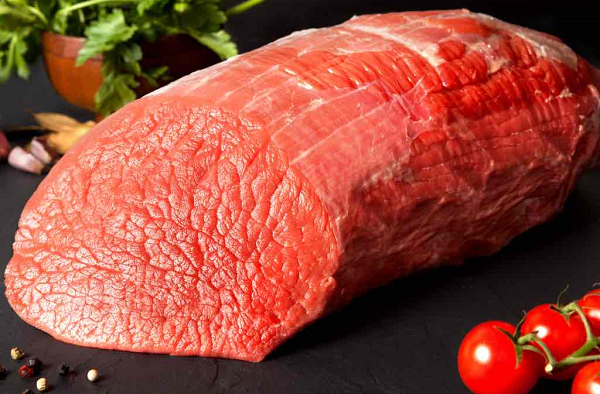
Here at JerkyUp.com we have been living and breathing the beef jerky world for over 12 years. This guide covers everything you need to know about selecting the right cut of beef for making jerky at home — so you can stop guessing and start making the best jerky of your life!
Why the Cut of Beef Matters So Much
The cut you choose determines nearly everything about your finished jerky:
Texture — how chewy, tender, or firm your jerky turns out Flavor — how beefy and rich the finished product tastesShelf life — how long your jerky stays fresh and safe to eat Yield — how much finished jerky you get from your raw beef Cost — how much you spend per pound of finished jerky
The single most important rule in selecting beef for jerky is this — you want lean meat with as little fat as possible. Fat does not dehydrate. It turns rancid during the drying process and dramatically shortens the shelf life of your jerky. The fattier the cut — the worse it is for jerky, regardless of how good it tastes as a steak.
This is why the expensive, heavily marbled cuts that are amazing on the grill — ribeye, filet mignon, New York strip — make terrible jerky. Save those for dinner. For jerky you want the lean, economical cuts from the round and rear leg of the animal.
The #1 Best Cut for Beef Jerky — Eye of Round
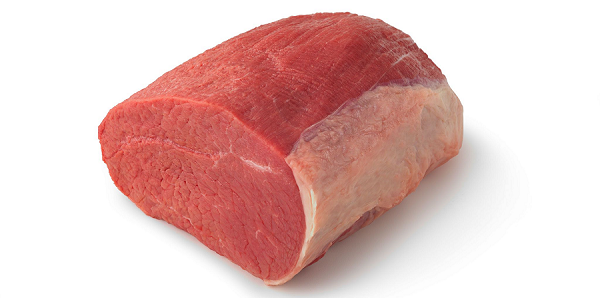
Eye of Round is the hands down champion for homemade beef jerky and the cut most recommended by professional jerky makers, competition pitmasters, and experienced home jerky makers alike.
Here is why Eye of Round wins:
Leanest of all round cuts — Eye of Round comes in at under 2% fat when fully trimmed. That means maximum protein yield, consistent drying, and long shelf life.
Natural cylindrical shape — The Eye of Round is one large oval muscle that runs lengthwise — making it incredibly easy to slice into uniform strips. Uniform strips dry evenly and consistently.
The grain runs lengthwise — This makes it easy to slice either with the grain for chewier jerky or against the grain for more tender jerky — the choice is yours.
Mild beefy flavor — Eye of Round has a clean beef flavor that takes marinades exceptionally well without competing with your seasoning.
Affordable and widely available — Eye of Round is one of the less expensive cuts at most grocery stores and is almost always in stock. Watch for sales and buy in bulk — it freezes beautifully.
Minimal trimming required — There may be a thin fat cap on the outside but the interior is clean and lean — you will not waste much meat trimming fat.
Bottom line: If you want to make great jerky at home and you want an easy, consistent, affordable result — buy Eye of Round every time.
The Top 6 Cuts of Beef for Jerky — Ranked
1. Eye of Round ⭐⭐⭐⭐⭐
Best for: All around homemade jerky — beginners and experienced makers alike Fat content: Very low — under 2% when trimmed Tenderness: Most tender of all round cuts Price: Budget friendly Availability: Excellent — most grocery stores carry it regularly Notes: The cylindrical shape makes slicing easy and uniform. Cut against the grain for tender jerky, with the grain for chewier traditional style.
2. Top Round ⭐⭐⭐⭐⭐
Best for: Large batches — commercial style jerky Fat content: Very low Tenderness: Slightly less tender than Eye of Round — balanced chew Price: Budget friendly — often slightly cheaper than Eye of Round Availability: Excellent — widely available and often sold as London Broil Notes: Top Round is the favorite cut of commercial jerky producers because of its large, consistent size and ease of slicing for high volume production. At home it is an excellent choice and often available at lower prices than Eye of Round. You may need to remove a thin fat cap.
3. Bottom Round ⭐⭐⭐⭐
Best for: Bold, hearty, rustic style jerky Fat content: Low — slightly higher than Eye or Top Round Tenderness:Heartier chew — more rustic texture Price: Very budget friendly — often the cheapest of the round cuts Availability:Excellent Notes: Bottom Round has slightly more collagen and connective tissue which gives it a deeper, richer beef flavor and a more robust chew. If you prefer a tougher, more traditional jerky texture — Bottom Round is your cut. It is also typically the most affordable option which makes it ideal for large batches.
4. Sirloin Tip ⭐⭐⭐⭐
Best for: Tender jerky — great for beginners Fat content: Low — slightly higher than round cuts Tenderness: Very tender — most tender of the common jerky cuts Price: Moderate — slightly more expensive than round cutsAvailability: Good — may need to visit a butcher for the full roast Notes: Sirloin Tip strikes a beautiful balance between leanness and tenderness. If you prefer soft, easy to chew jerky — Sirloin Tip is your best option. It takes marinades exceptionally well and is very forgiving for first time jerky makers. The main downside is the slightly higher price point.
5. Flank Steak ⭐⭐⭐⭐
Best for: Bold flavored gourmet jerky Fat content: Moderate — requires trimming Tenderness: Tender when sliced correctly — MUST be sliced against the grain Price: Higher — one of the pricier options for jerky Availability: GoodNotes: Flank Steak has intense, rich beef flavor and a distinct grain that produces deep, satisfying taste profiles. It absorbs marinades like a sponge making it fantastic for gourmet or spicy recipes. The catch — you MUST slice against the grain or the jerky will be impossibly tough. Also has a shorter shelf life than leaner cuts due to higher fat content. Great for jerky you plan to eat quickly.
6. Brisket Flat ⭐⭐⭐
Best for: Rich, deeply flavored jerky for immediate consumption Fat content: Moderate to high — aggressive trimming required Tenderness: Tender with rich flavor Price: Variable — can be very affordable when on saleAvailability: Good Notes: Brisket produces incredibly rich and flavorful jerky but the higher fat content significantly shortens shelf life. Always use the flat cut — not the point — and trim aggressively. Best for jerky that will be eaten within a few days rather than stored long term.
With the Grain vs Against the Grain — Which Is Better?
This is one of the most asked questions in homemade jerky making and the answer depends entirely on your texture preference:
Slicing WITH the grain — produces chewier, tougher jerky with longer strips. This is the traditional style that most people associate with classic beef jerky. The muscle fibers run the length of the strip giving you that satisfying pull and chew.
Slicing AGAINST the grain — produces more tender, easier to chew jerky. The muscle fibers are cut short which means less resistance when you bite. Great for people who prefer a softer texture or for serving to kids.
Pro tip: Partially freeze your beef for 1 to 2 hours before slicing. Semi-frozen meat is significantly easier to slice uniformly — and uniform thickness is critical for even drying.
What About Thickness?
For most jerky recipes the ideal slice thickness is 1/4 inch (6mm). Thinner slices dry faster but can become brittle. Thicker slices retain more moisture and chew but take longer to dry and have a shorter shelf life.
If your grocery store butcher counter will slice the meat for you at your desired thickness — take advantage of it! Many will do it at no charge. Just ask for 1/4 inch slices and tell them it is for making jerky.
Cuts to Avoid for Jerky
Ribeye, New York Strip, T-Bone, Porterhouse — Too expensive and too fatty. The intramuscular fat will not dehydrate properly and will shorten shelf life dramatically. Save these for the grill.
Tenderloin / Filet Mignon — The leanest cut on the animal but absurdly expensive for jerky. The tenderness also works against you — producing brittle jerky rather than the satisfying chew everyone wants.
Chuck Roast — Too fatty and too much connective tissue. Requires extensive trimming and the result is inconsistent.
Skirt Steak — More fat than Flank Steak with a tougher texture. Not ideal for jerky.
A Word on Beef Grade
For homemade jerky you do not need to spend extra on Prime or Choice grade beef. Select grade round roasts make excellent jerky — the lower fat content of Select grade actually works in your favor for jerky making. Buy Select grade Eye of Round or Top Round and spend the savings on quality spices and marinades!
Quick Reference — Best Cuts for Beef Jerky
| Cut | Leanness | Tenderness | Price | Best For |
|---|---|---|---|---|
| Eye of Round | ⭐⭐⭐⭐⭐ | ⭐⭐⭐⭐⭐ | $ | Best all around |
| Top Round | ⭐⭐⭐⭐⭐ | ⭐⭐⭐⭐ | $ | Large batches |
| Bottom Round | ⭐⭐⭐⭐ | ⭐⭐⭐ | $ | Bold chewy jerky |
| Sirloin Tip | ⭐⭐⭐⭐ | ⭐⭐⭐⭐⭐ | $$ | Tender jerky |
| Flank Steak | ⭐⭐⭐ | ⭐⭐⭐⭐ | $$$ | Gourmet flavor |
| Brisket Flat | ⭐⭐⭐ | ⭐⭐⭐⭐ | $$ | Rich flavor |
Now That You Know the Best Cut — Where Do You Buy the Best Jerky?
If all this talk about cuts of beef has you craving great jerky but you would rather skip the kitchen — JerkyUp.com has you covered!
We are the most comprehensive beef jerky brand directory on the internet — with over 471 craft jerky brands listed from across the United States and around the world.
Browse All Beef Jerky Brands →
Search Jerky Brands By State →

JerkyUp.com — The Craft Jerky Directory. Representing hundreds of craft beef jerky brands from small batch artisans to well known names. All your jerky in one place!